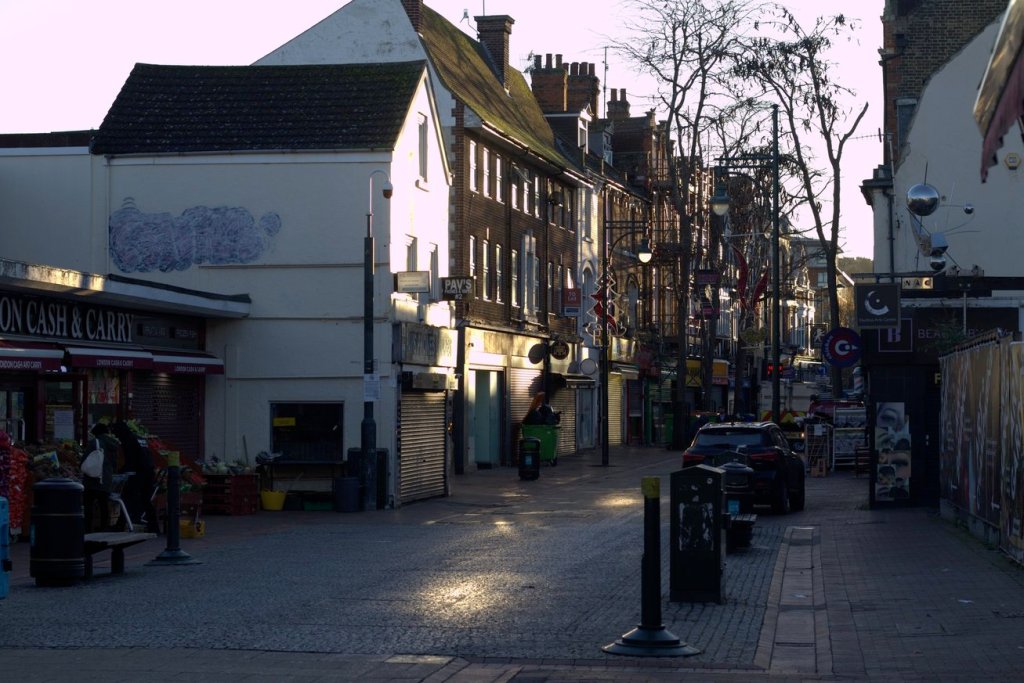

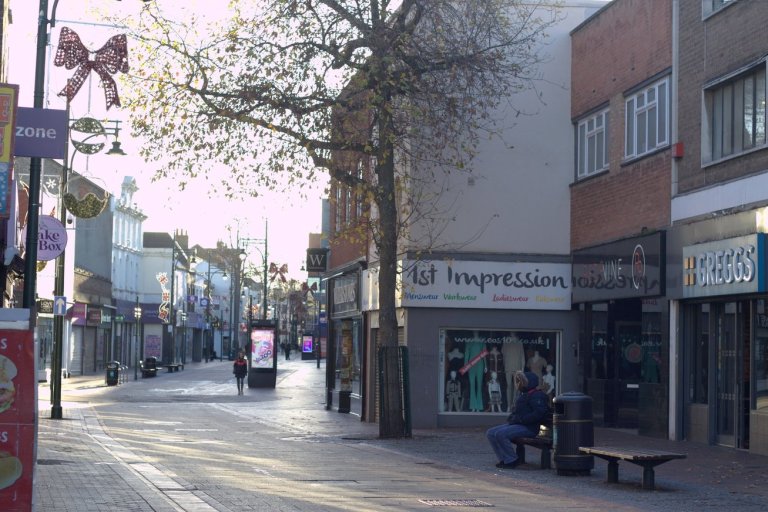
Chatham, a town in north Kent within the Medway local authority area, is often described as one of the county’s most troubled town centres. References to street drinking, rough sleeping, antisocial behaviour and a high number of empty shops are common in conversations about the High Street. This feature is based on repeated visits to the town centre over several months, interviews with residents, former dockyard workers, community organisations, councillors and local historians, and examination of archival records and regeneration data.
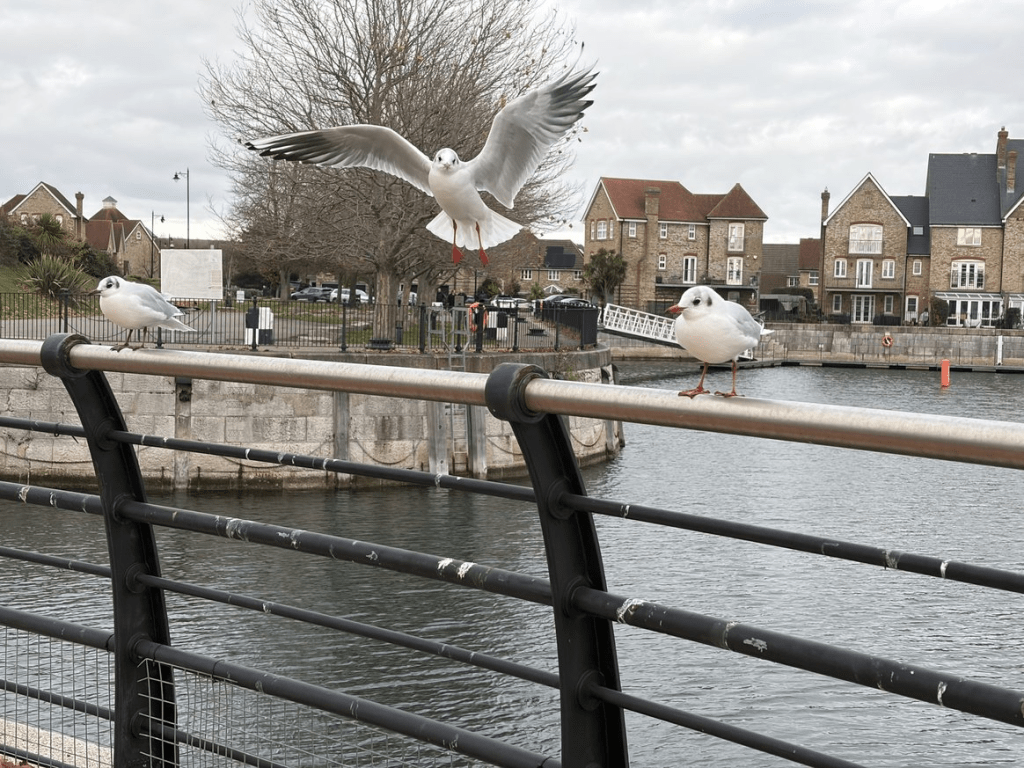
Chatham was a small fishing settlement
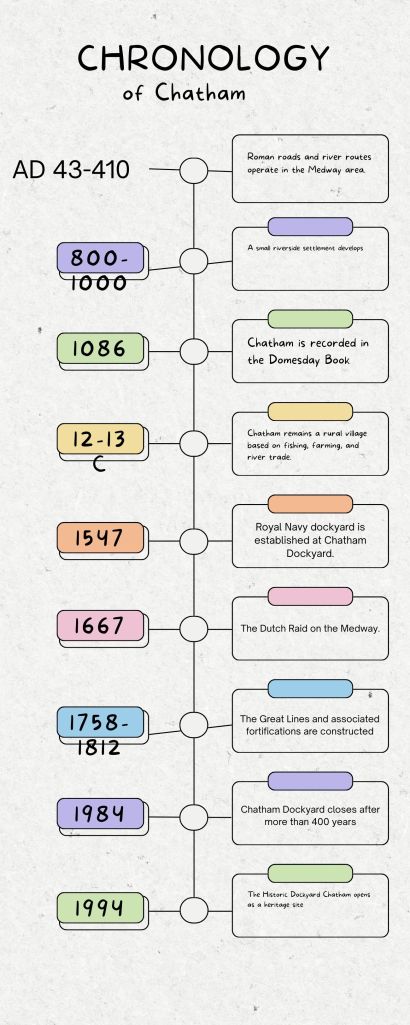
Chatham’s early development was closely linked to the River Medway. In the Middle Ages, it was a small fishing settlement whose economy depended on the river for food, local trade and transport. Records held by Medway Archives and Local Studies Centre show that access to waterborne routes into London supported gradual growth.
From the 16th century, the strategic importance of the Medway increased. The Crown established a Royal Dockyard at Chatham, which expanded over time into one of Britain’s most important naval centres. For more than 300 years, the dockyard shaped employment patterns, housing, population growth and the daily rhythm of the town.
Medway Archives Centre | Medway Council
Created by Dee Lukasik.
Local historian Robert Flood, who has researched Chatham’s history for decades, said the dockyard transformed the town into a long-term employment hub. Skilled workers arrived from across the country, including shipwrights, carpenters, engineers, metalworkers, painters and rope makers, many of whom settled permanently with their families.
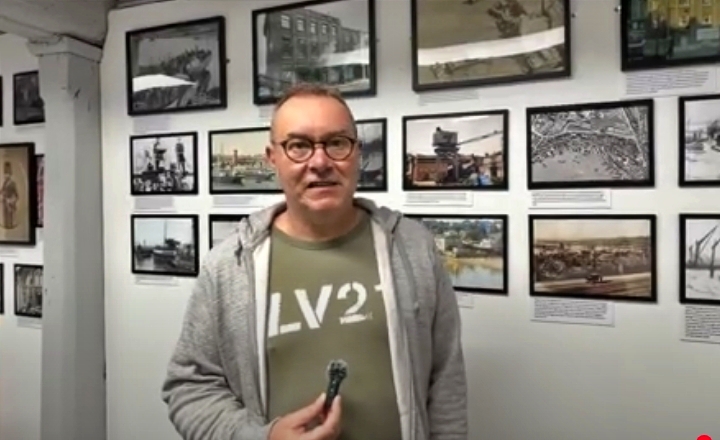
Around the dockyard developed a network of supporting trades. Archival material and contemporary accounts show businesses supplying timber, food, tools and clothing grew alongside housing, schools, churches and public buildings. The High Street developed as a centre of daily activity, used consistently from early morning until late evening.
Chatham also functioned as a garrison town. Naval and army barracks brought a steady population of sailors and soldiers, while officers and administrators lived locally. This ensured regular footfall and sustained demand for town centre businesses.
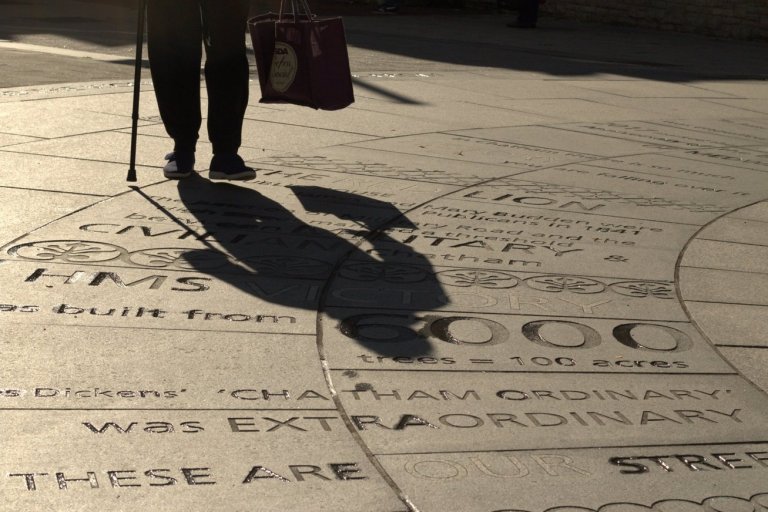
‘In 1850 there were riots every weekend, literally every weekend.‘
According to Robert Flood Chatham’s reputation for disorder predates the modern period. “Chatham is no more dangerous now than it was in 1850 or 1990,” he said. “In actual fact, it was probably much more dangerous. In 1850 there were riots every weekend, literally every weekend.”
Historic accounts describe heavy drinking, fights and disturbances, particularly around pay days and weekends. Prostitution was also common on the High Street during the 19th century and into the early 20th century, when the town was at its height as a dockyard and garrison centre.
“Chatham was almost single handedly responsible for the 1864 Contagious Diseases Act, because so many men that came through the Medway towns, about 70%, would get a sexually transmitted disease.” Flood said. “That act gave them the permission to arrest any woman they suspected of being sexual. Any woman.”
These issues were not unique to Chatham but were typical of other dockyard and garrison towns with large transient male populations. In the past, however, they were less conspicuous because they were absorbed into the crowds that filled the streets each day. Today, with far fewer people using the town centre, the same elements are more visible, including people drinking on benches, rough sleepers in shop doorways and drug dealing in side streets.
In the years between 1817 and 1821, Chatham was home to its most famous resident, Charles Dickens. He lived in the Medway towns as a child while his father, John Dickens, worked as a clerk in the Navy Pay Office, connected to the dockyard. The family lived in several properties including Ordnance Terrace and St Mary’s Place, overlooking the dockyard and the River Medway.
During this period, Dickens attended school locally and spent time exploring Chatham, Rochester and the surrounding marshes. These early experiences later shaped his writing, with the Medway landscape, dockyard workers and the stark contrasts between wealth and poverty appearing most clearly in Great Expectations (1861). Dickens’ time in Chatham forms a lasting part of the town’s cultural legacy, linking its naval and industrial past to some of the best-known works in English literature.
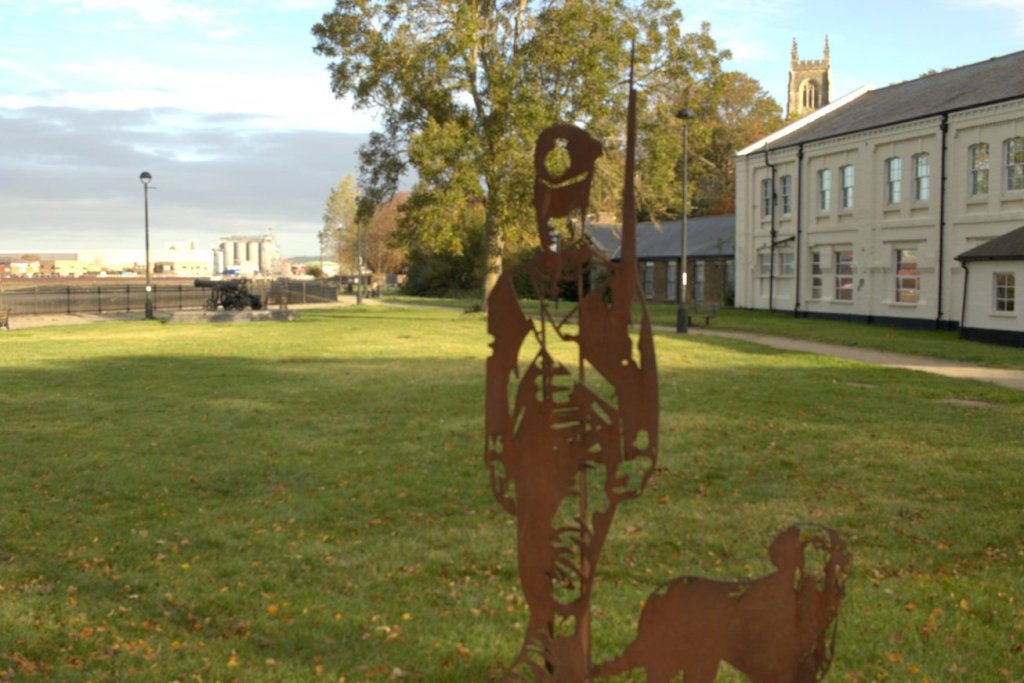
Photo: Dee Lukasik
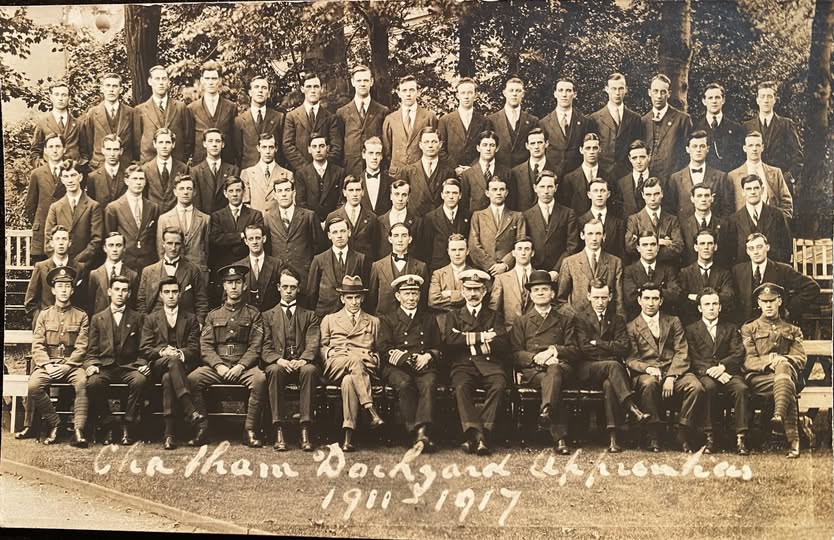
Chatham Dockyard reached its peak during the Second World War, employing more than 17,000 people. Employment records show shipbuilding and repair operated around the clock, and the town centre reflected that continuous activity.
On 30 March 1984, the dockyard closed, ending more than three centuries of continuous naval employment. Former dockyard workers interviewed for this feature said the impact on the High Street was immediate. Several described a rapid decline in daily footfall and the closure of businesses that had depended on dockyard trade.
‘I can’t publicly describe the words I used about the politicians who decided to close the Chatham dockyards.‘
Maurice Bexter who began working at Chatham Dockyard in 1971, starting in the Boilershop before moving into the Welding Section, said the decision to close Chatham had a lasting impact not only on him but on many of his colleagues and their families.
“I can’t publicly describe the words I used about the politicians who decided to close the Chatham dockyards,” he said. “I was devastated by the decision. It was a very difficult time for me and my family, and for many of my friends. Some of them ended up becoming alcoholics, and because they didn’t have the job, their family lives were ruined. Some of them lost their wives.”
Redundancy payments provided temporary support, but employment data from the period shows a rise in unemployment once those payments ended. Many workers reported difficulty retraining, as skills developed for naval construction and maintenance were not easily transferable.
At the same time, the military presence in Chatham declined. Barracks closed, and businesses linked to servicing military personnel shut down over subsequent years.
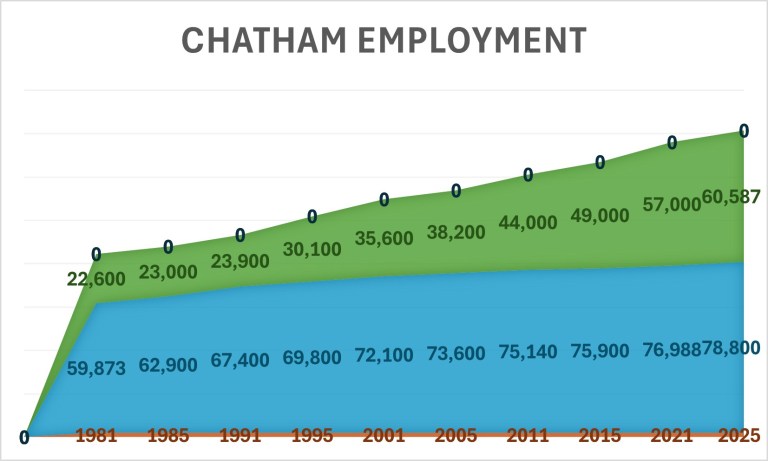
Created by Dee Lukasik
‘The sense of a lost greatness is very sobering‘
Historian and celebrity Tom Holland visited Chatham to record an episode of the podcast The Rest Is History. During his visit, he focused on the historic buildings and the town’s naval past, and spoke with admiration about the scale and importance of what he saw. He described the High Street as historically exceptional, shaped by centuries of national history.
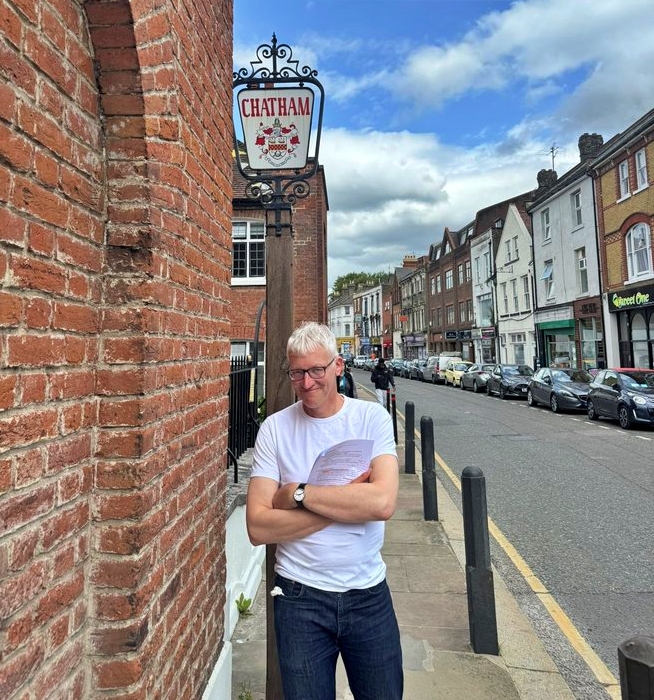
“I arrived in Rochester and walked down Chatham High Street to the dockyards and I was blown away by what amazing legacies of Chatham’s past there were and how little known they seemed to be,” he said.
“I thought of all the places I’d been in Britain, the disjunction between the incredible wealth of things to see and the fact there didn’t really seem to be a tourist infrastructure for it at all was the broadest. The sense of a lost greatness is very sobering,” he added.
Chatham and the wider Medway towns also have a long and influential music history. From the late 19th century through to the mid-20th century, Chatham was a major centre for music halls and live performance, with at least eight theatres and music halls operating at its peak, making it one of the largest entertainment centres outside London. With the arrival of the railway, performers could travel easily from the capital, and artists including Charlie Chaplin, Marie Lloyd, Gracie Fields and Max Miller appeared in the town.
In the 1960s and 1970s, Chatham remained a key stop on the touring circuit, with bands such as The Beatles, The Rolling Stones, David Bowie and Queen performing at venues including the Central Hall and the former Victoria Theatre.
More recently, Medway has gained national recognition for its independent music scene, producing bands such as The Prisoners, Billy Childish’s various projects, and artists linked to the wider garage and punk movements, reinforcing Chatham’s cultural role beyond its industrial past.
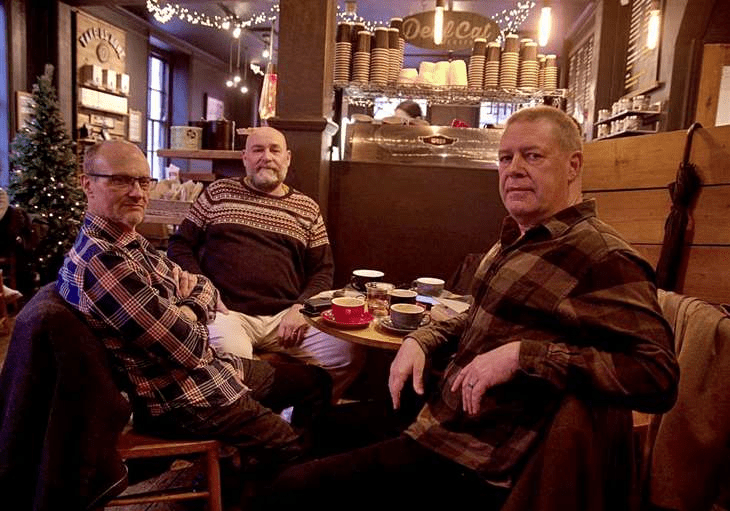
Talking about their beginnings on the Medway music scene, The Prisoners described the period as highly ‘tribal’.
“If you looked different or liked different music, people wanted to fight you,” the band said.
Chatham also played a significant role in the history of LGBTQ+ spaces outside London. One of the earliest openly gay-friendly pubs in the UK, The Ship Inn, operated in the Intra area of Chatham during the mid-20th century.
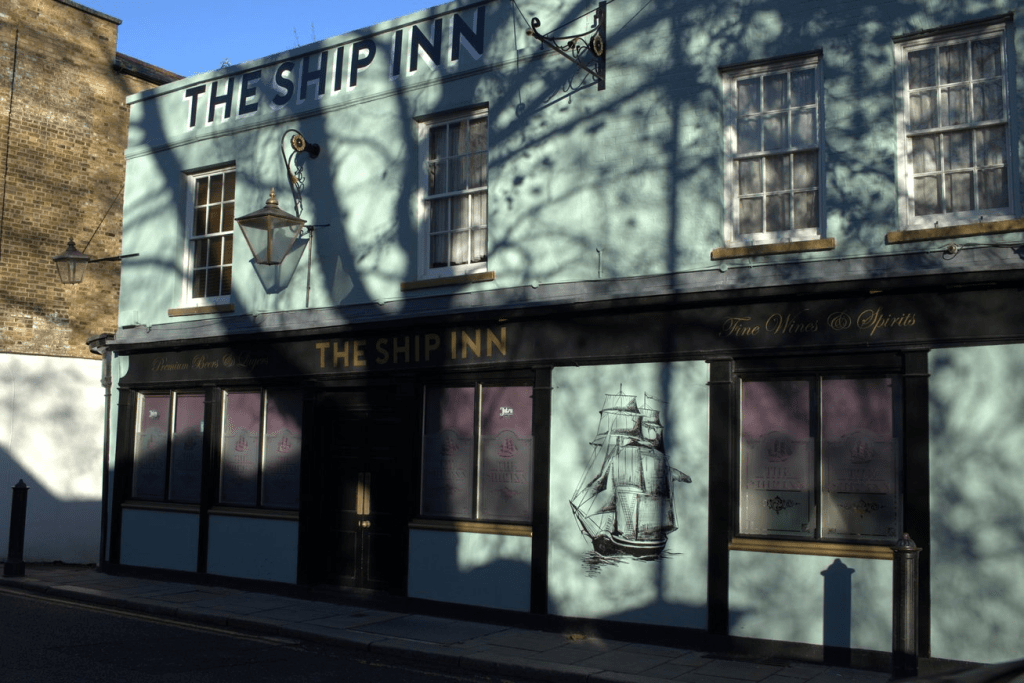
Photo: Dee Lukasik
Local historian Robert Flood said “Chatham had gay spaces much earlier than people realise. Places like The Ship existed quietly, but everyone who needed to know knew. At a time when homosexuality was illegal, pubs like that mattered because they gave people somewhere to meet that wasn’t completely hidden, but also wasn’t advertised.”
Flood said its existence places Chatham among the first provincial towns to have a recognised gay venue, highlighting a hidden but important strand of the town’s social history.
In the early 2000s, a rumour began to circulate that the slang word “chav” came from the name Chatham. No one can clearly trace who started it, but the idea spread through online forums, tabloids and everyday talk. The word itself is a derogatory term often aimed at working-class people and first appeared in British slang at the start of the 21st century. Linguists link it to the Romany word chavi, meaning child, while other explanations, such as it being an acronym for “council housed and violent”, are also false. Despite this, the rumour stuck, and images of boarded-up pubs, closed shops and visible poverty helped tie the word to Chatham in the public imagination, further damaging the town’s reputation.

Photo: Dee Lukasik
Vox pop interviews carried out in the town centre reflect what people think about the town.
People spoke about drug use, heavy drinking and homelessness more clearly than before. Several described avoiding the High Street in the evenings. Others said the town offers fewer reasons to visit beyond essential shopping.
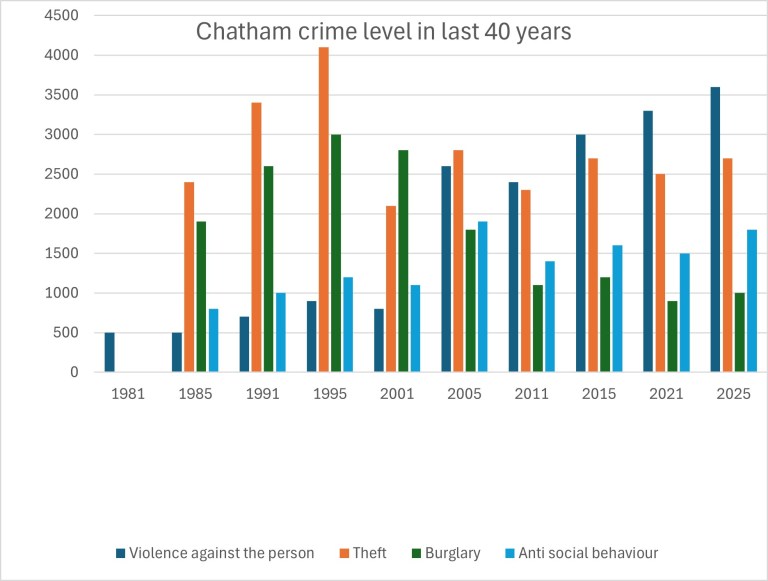
Compiled by Dee Lukasik.
A review of social media posts tagged with Chatham on TikTok and Instagram showed a strong skew towards negative portrayals. Most content focused on antisocial behaviour, derelict buildings or individual incidents, with little reference to the town’s naval history, architecture or wider economic context.
Day by day however, small changes are visible, with new shops opening and some long-empty buildings being renovated or brought back into use for different purposes.
Along the High Street and elsewhere in the town centre, Medway Council has highlighted regeneration activity focused on investment in buildings, public spaces and new uses. Cllr Nina Gurung said many groups and individuals are working to strengthen and enhance Chatham, and that early impacts are already visible.
“Millions of pounds have been invested in regeneration work, leading to several high-impact projects. The creation of The Paddock public space and Ascend business offices are both clear examples of innovative, well-planned design making a huge difference to an area, while the transformation of St John’s Church and The Brook Theatre, together with the new James Williams Healthy Living Centre, is giving further momentum to our drive for positive change.

“Medway Development Company is bringing hundreds of new homes to the town centre. By giving Chatham ‘Heritage Place’ status, National Lottery gave us an opportunity to tap into further investment into dynamic community space for young artists to collaborate and pursue their creative dreams.
In 2020, Medway Council secured funding for a regeneration programme focused on Intra and Star Hill, known as the High Streets Heritage Action Zone. Those involved say the programme provided money not only for repairing buildings but also for supporting community-led activity.
“That project was about £1.6 million,” one member said. “It paid for some buildings to be refurbished, but it also paid to bring people together.”
From that work, local residents and business owners formed Intra Community Trust to continue projects once the funding period ended. The group set itself up as a Charitable Incorporated Organisation, allowing it to apply for funding, employ staff and take on buildings.

Executive director Cerian Eiles said the decision came from seeing that the work was already making a difference.
“We got to the end of that heritage action zone project and thought, well, it’s working,” she said. “This is a vibrant, dynamic community, so what shall we do now?”
The trust now focuses on practical action. It commissions studies on empty and listed buildings, looking at realistic new uses that serve the local community.
“We can look at buildings that are derelict, especially heritage buildings,” Cerian said, “and think about what a change of use might look like.”
So far, the trust has supported heritage regeneration alongside the action zone, organised events such as Blooming Intra and Pride Fringe, and begun work on future uses for buildings including the Unitarian Church and the Waterworks. It is also developing plans for public art and shared community spaces along Old High Street Intra.
Cerian Eiles said Intra Community Trust was conscious of how Chatham is represented on social media and online video platforms, and that changing those perceptions was part of its work. “We’re trying to change that story,” she said.
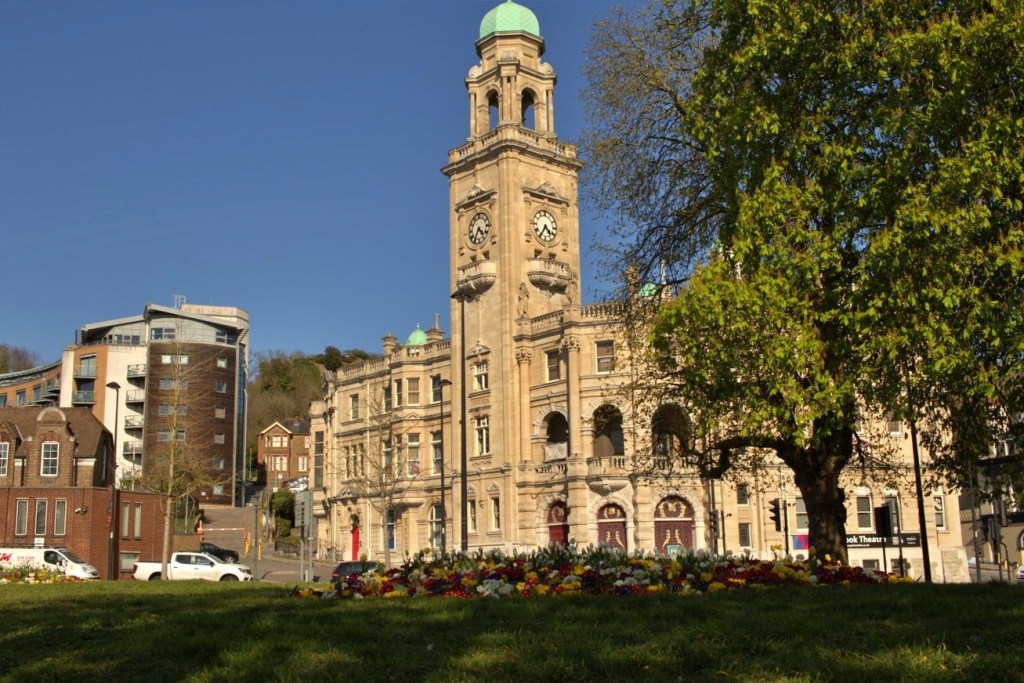
While Chatham is often labelled a “town of chavs”, historical and contemporary evidence points to a far more complex place shaped by industry, culture and long-term economic change.
Its story is often reduced to the dockyard and its closure, but the town’s heritage is far broader, spanning music, religion, radical politics and popular culture. That history has not disappeared, and there are still people working to ensure it is recognised and built on rather than forgotten. As historian Tom Holland has said: “There’s enormous scope for Chatham to capitalise on its history, much greater than is currently being developed. It could scrub up very well. It’s an incredibly fascinating place

 Discovering Kent
Please share with me what you think.